
July 10, 2026
What Age Should Kids Start Playing Soccer?
CoronCoro Soccer
Ages 3 to 5: Play,not soccer
At this age, you are not raising a soccer player. You are raising a kid who thinks moving their body is fun. That is the whole goal.
Sessions for this group should look like controlled chaos. Lots of touches on the ball, silly games, short attention friendly drills, and almost no standing in line. The word to watch for is joy. If a three year old leaves the field smiling and asking to come back, the program is doing its job. Scores, positions, and tactics do not matter yet and should not be forced.
What your child gains here is coordination, comfort with the ball, and the simple habit of showing up and trying. That foundation is worth more than any early trophy.
Ages 6 to 9: The real starting line
This is the sweet spot where most kids genuinely begin to learn soccer.
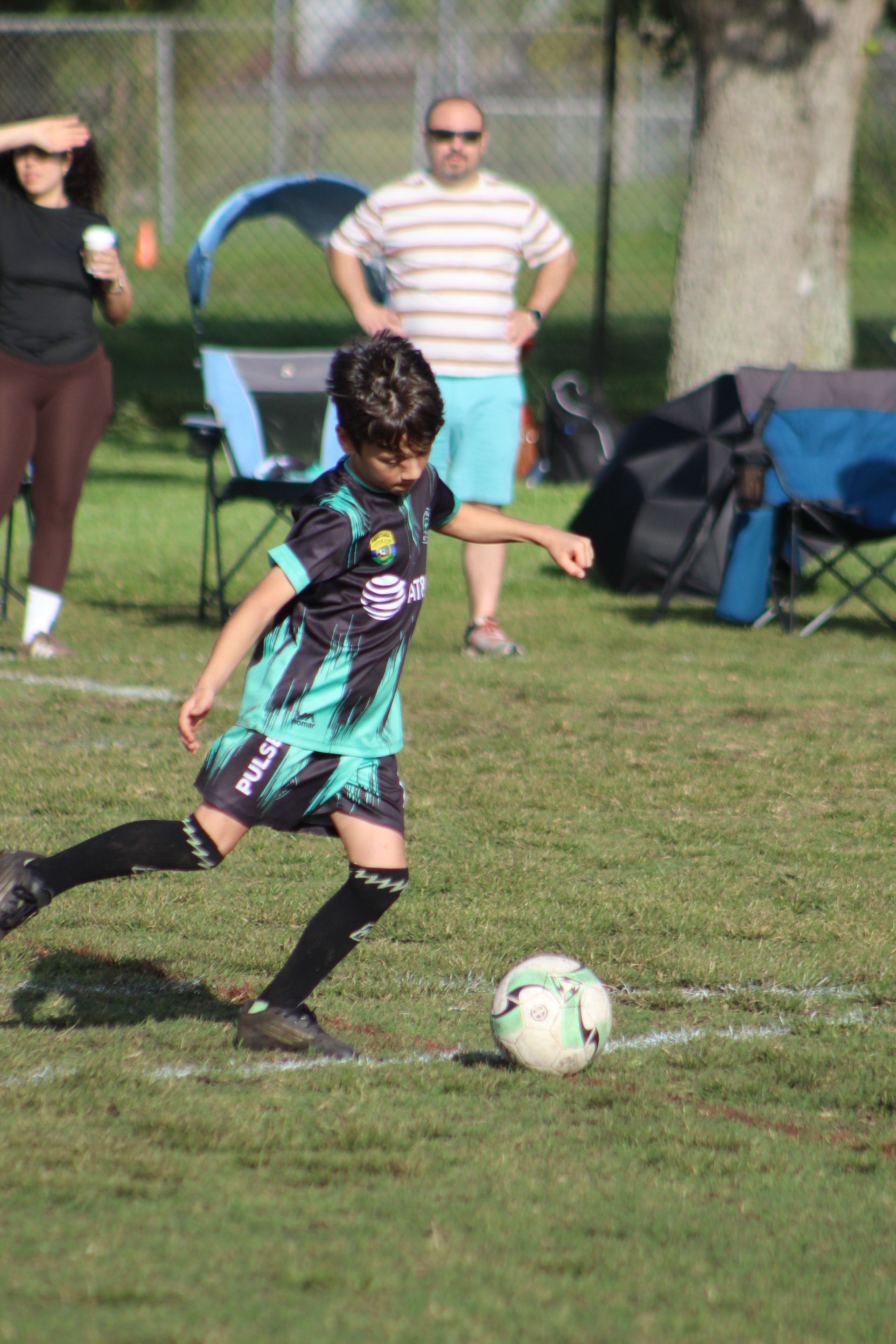
Their bodies can now do more. They can dribble with a bit of control, pass with intention, and start to understand that the game has rules and teammates. This is the age to build technical skills, dribbling, first touch, basic passing, in a setting that is still fun but a little more structured.
If your child has never played and they are seven or eight, do not worry that they are behind. They are not. Kids at this age pick up the fundamentals fast, and plenty of strong players did not touch a ball seriously until now. The window is wide open.
At Coroncoro, this is where our recreational programs do their best work. Kids get real coaching without the pressure of high stakes competition, and the ones who fall in love with it naturally start pushing for more.
Ages 10 to 13: Skill meets competition
Now the game gets serious for the kids who want it to.
Players in this range can handle tactics, positions, and the emotional side of winning and losing. This is when a competitive track starts to make sense for children who are hungry for it. Training focuses on sharper technique, game understanding, fitness, and learning how to compete without losing composure.
It is also the age where kids sort themselves. Some want to play for fun with friends. Some want to test how good they can get. A good club offers both paths and moves kids between them honestly, based on the child rather than the parent's ambition.
Ages 14 and up: Not too late to start
Here is the myth worth killing: that a teenager who has never played has missed the boat. They have not.
Teenagers who start soccer at 14, 15, or 16 will not likely reach an elite academy level, that is just honest. But they can absolutely become good, contributing players who enjoy the game for life.
Their bodies are strong, their focus is better than a young child's, and they can learn quickly when motivated.
If your teen wants to start, let them. The health, the friendships, and the discipline are worth it no matter when they begin.
The one rule that beats all the ages
Follow the child, not the calendar.
Some three year olds are ready. Some are better off waiting a year. Some ten year olds want to train five days a week. Some just want a Saturday game with friends. The right starting point is the one that matches your specific kid's readiness and interest, not the age a chart says is optimal.
The best thing you can do at any age is protect their love of the game. Push too hard too early and you get a burned out ten year old who quits. Keep it fun and challenging in the right measure, and you get a player for life.